

Prince Andrew Arrested Amid New Scrutiny Over Epstein Allegations
The long shadow of Jeffrey Epstein continues to stretch across some of the most powerful institutions in the world.
Now, it appears to have reached back into the British royal family once again.
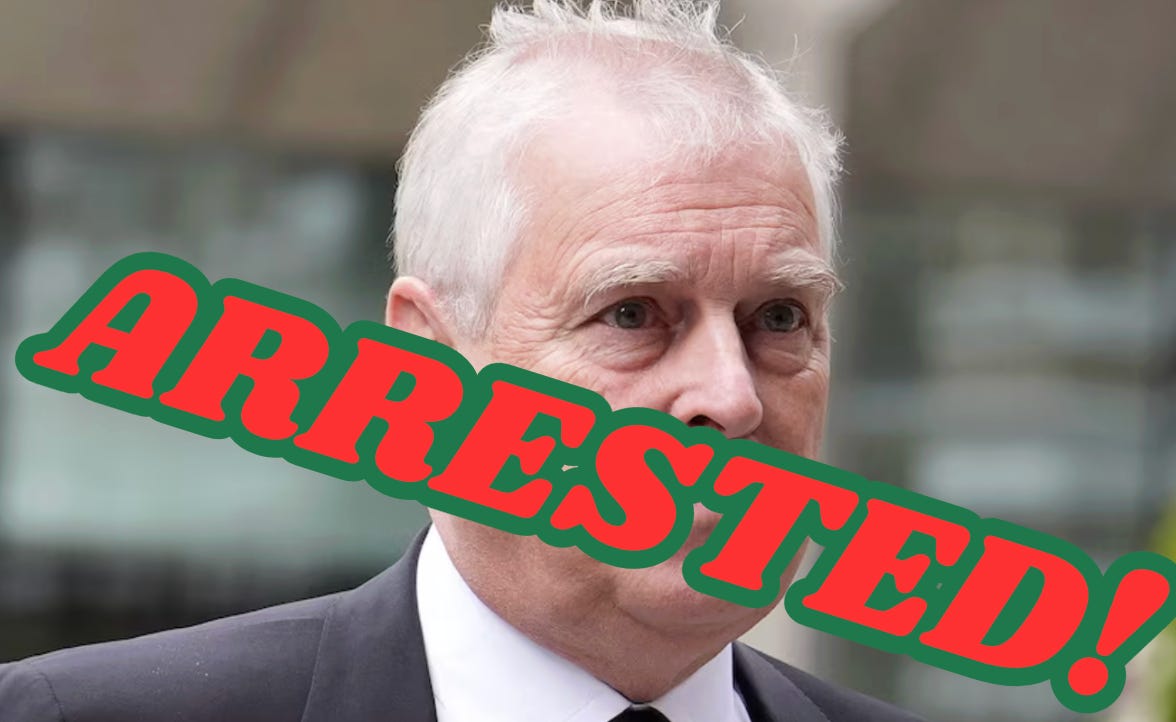
Andrew Mountbatten-Windsor, more widely known as Prince Andrew, the Duke of York, has reportedly been arrested on suspicion of misconduct in public office. At the same time, a U.K. police force confirmed it is “assessing” reports that Andrew may have sent trade-related reports or confidential material to convicted sex offender Jeffrey Epstein.
If true, this would represent a significant escalation beyond the allegations that have surrounded Andrew for years.
But before jumping to conclusions, let’s break down what we know, and what we don’t.
What Is Being Investigated?
Authorities have stated that they are assessing reports suggesting Andrew may have shared trade-related information with Epstein during the period of their association.
The key phrase here is “assessing reports.”
That does not mean charges have been filed. It does not mean wrongdoing has been proven. It means law enforcement is reviewing the available evidence to determine whether further action is warranted.
Still, the fact that such an assessment is underway is significant given Andrew’s already controversial ties to Epstein.
The Epstein Relationship
Prince Andrew has long acknowledged his association with Jeffrey Epstein but has repeatedly denied any wrongdoing.
His 2019 BBC interview, intended to clear his name, instead deepened public skepticism. The interview led to significant backlash and ultimately to Andrew stepping back from public royal duties.
He later reached a civil settlement in a lawsuit brought by Virginia Giuffre, who accused him of sexual abuse. Andrew denied the allegations and did not admit liability as part of that settlement.
Since then, he has remained largely removed from public-facing royal responsibilities.

 Tiktok failed to load.
Enable 3rd party cookies or use another browser
Why “Misconduct in Public Office” Matters
In the United Kingdom, misconduct in public office is a serious criminal offense. It typically applies when:
A public official willfully neglects their duties or abuses their position.
The misconduct is serious enough to warrant criminal punishment.
There is evidence of intentional wrongdoing.
If the allegation involves sharing sensitive trade information, the legal and national security implications could be substantial.
But again, an arrest or assessment is not a conviction. Investigations often conclude without charges.
The Royal Family’s Ongoing Vulnerability
The British monarchy has spent years attempting to stabilize its public image.
King Charles III has worked to modernize and streamline the institution. But Andrew’s association with Epstein has repeatedly reopened wounds, especially as more Epstein-related documents and disclosures emerge globally.
If these new allegations gain traction, they could reignite debates about transparency, accountability, and whether royal privilege has shielded powerful individuals from deeper scrutiny.
The Bigger Picture
The Epstein saga continues to reveal something deeply unsettling:
Power protects power, until it doesn’t.
Whether in politics, finance, media, or monarchy, the Epstein network has forced uncomfortable questions about who knew what, and when.
Prince Andrew has consistently denied any criminal conduct.
The U.K. police are assessing reports.
The public deserves clarity.
But clarity requires patience, evidence, and due process — not assumptions.
Final Thought
If the investigation moves forward, it will test not just Prince Andrew, but the British system itself.
Is the law applied equally to royalty and commoners alike?
Or does influence still carry weight behind closed doors?
As always, the facts will matter more than the headlines.
And we’ll be watching closely.
Arrested not for raping, abusing a minor…. But this! Whatever it takes but such irony