

In the last 12 hours, the Middle East has moved dangerously closer to a broader regional war.
Four American service members are now dead. Major oil and gas infrastructure has been struck. Fighter jets have been shot down. Commercial shipping in one of the world’s most critical waterways has come under attack.
This is no longer theoretical escalation.
Here are the 6 developments, and what we know so far.
1) Four U.S. Service Members Confirmed Dead
U.S. Central Command confirmed that a fourth American service member has died following Iranian-linked attacks in the region.
According to reporting from CBS News and other outlets, the fourth fatality came after a service member who was critically wounded in earlier strikes succumbed to injuries.
Why this matters:
• Once U.S. troop deaths mount, domestic political pressure intensifies
• Calls for retaliation increase rapidly
• Diplomatic space narrows
History shows that American casualties change the political calculus quickly
2) Saudi Arabia’s Largest Oil Refinery Shut Down After Strike
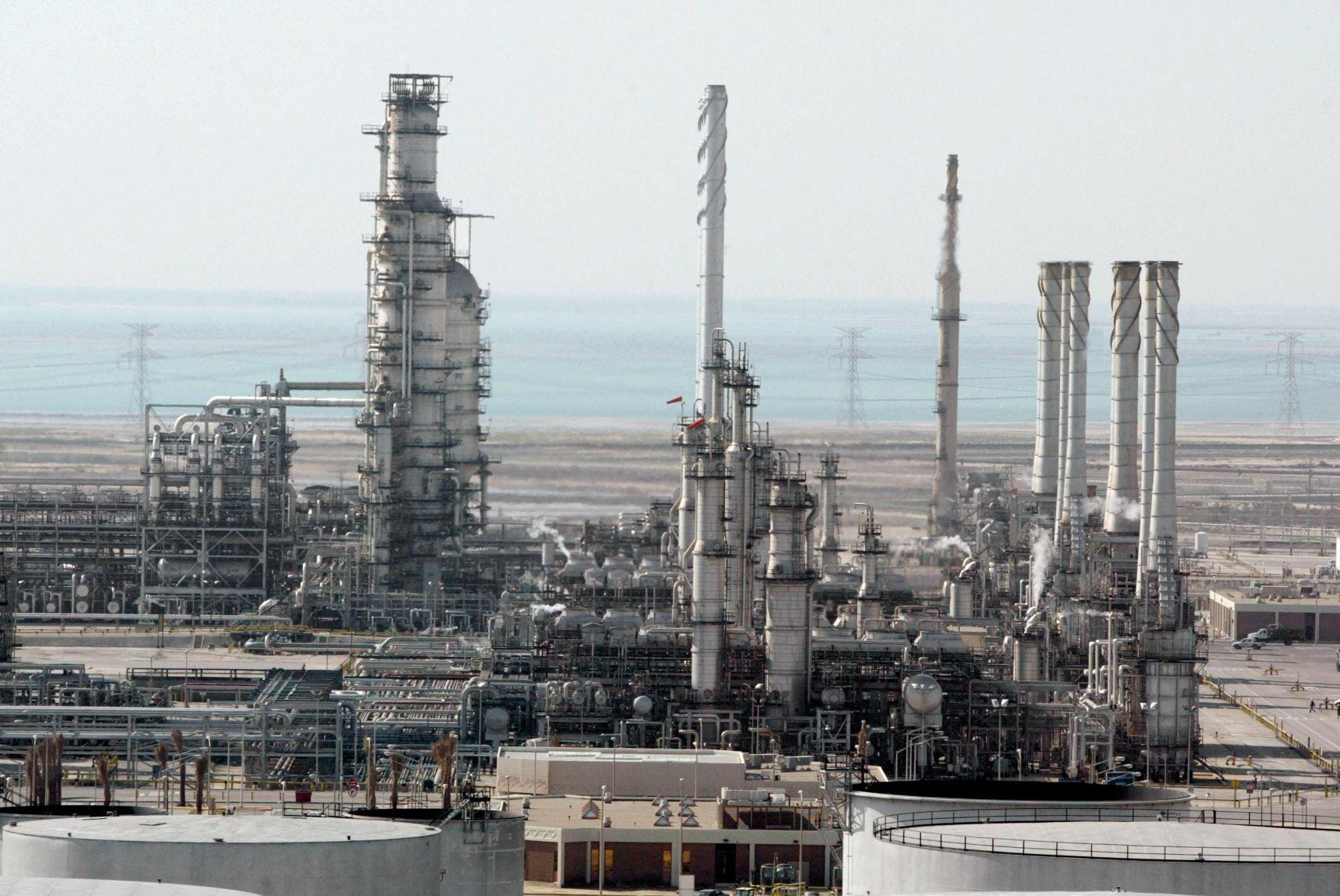
Reuters reports that Saudi Aramco shut down the Ras Tanura refinery and export terminal following a strike and heightened threat conditions.
Ras Tanura processes roughly 550,000 barrels per day and is a major crude export node.
This is not just a refinery, it is a global supply artery.
When infrastructure of this scale pauses:
• Oil futures spike
• Traders price in prolonged disruption
• U.S. gasoline prices can rise within days
Energy markets respond instantly to instability in Saudi capacity.
3) Qatar Halts LNG Production After Facility Hit
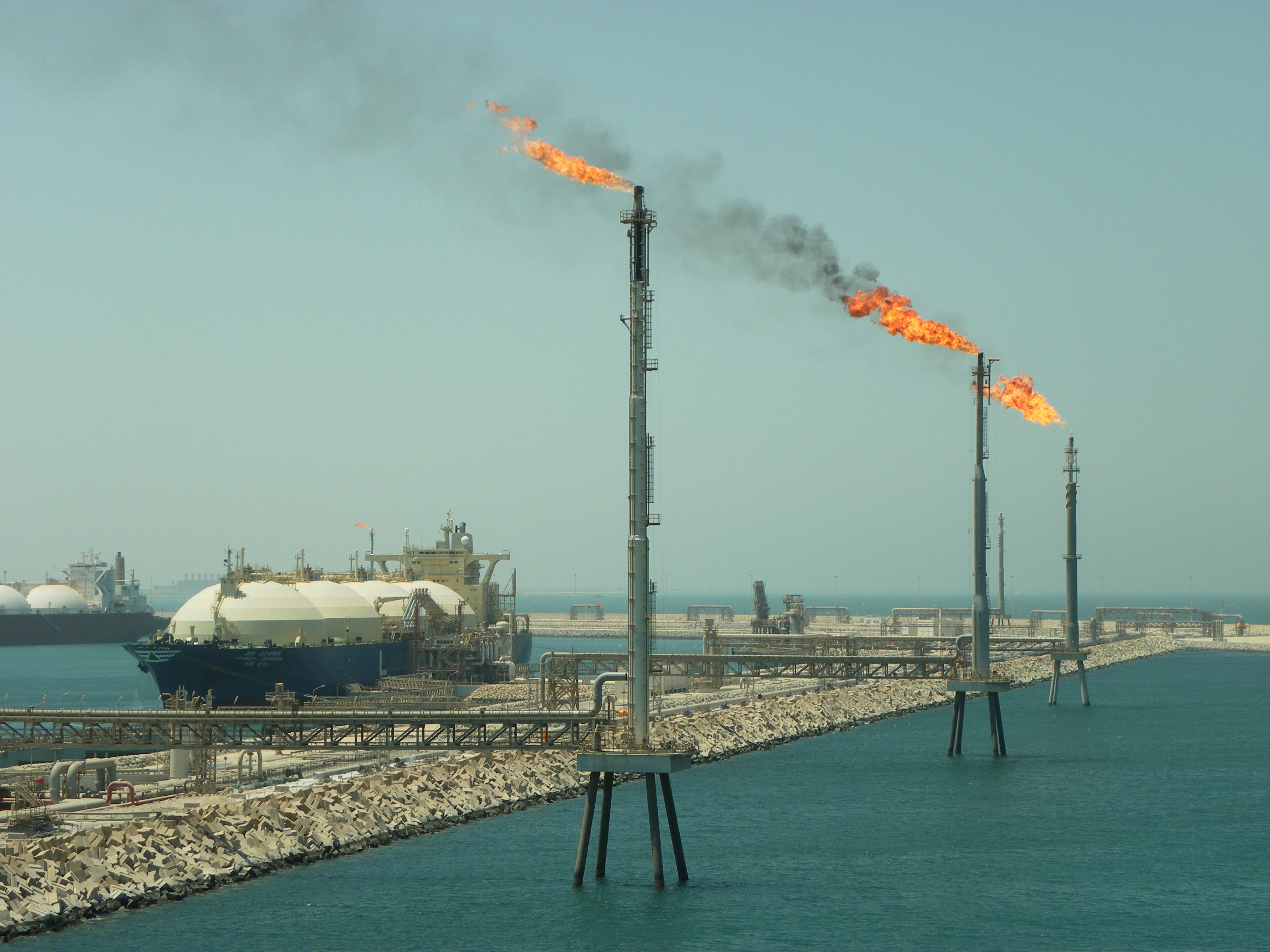
Reuters and regional outlets report that Qatar halted liquefied natural gas production following strikes impacting its energy infrastructure, including areas near Ras Laffan.
Qatar is one of the world’s largest LNG exporters.
After Europe pivoted away from Russian gas, Qatar became a critical supplier.
If LNG exports pause:
• European and Asian energy markets tighten
• Electricity generation costs rise
• Industrial supply chains feel secondary shocks
This is not just a regional story. It’s a global energy story.
4) Three U.S. Fighter Jets Shot Down in Friendly-Fire Incident
Reuters and AP report that three U.S. F-15E fighter jets were mistakenly shot down by Kuwaiti air defenses amid Iranian drone and missile activity.
All six crew members ejected and survived.
This incident underscores how chaotic and high-pressure the regional air-defense environment has become.
When airspace becomes saturated with drones and interceptors:
• Mistakes increase
• Tensions spike
• Escalation risks multiply
Even accidental incidents can carry strategic consequences.
5) Multiple Tankers Damaged Near Gulf Shipping Lanes
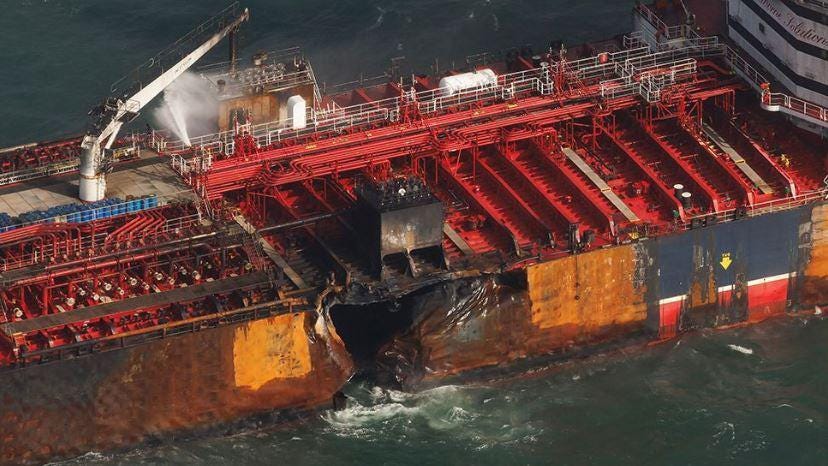
Reuters reports that multiple oil tankers were damaged as the conflict spilled into commercial shipping lanes near the Strait of Hormuz and Gulf of Oman.
At least one seafarer has been reported killed in a drone-boat attack in the region.
The Strait of Hormuz carries roughly 20% of the world’s petroleum supply.
If commercial shipping becomes unsafe:
• Insurance premiums surge
• Tanker traffic slows or reroutes
• Oil prices spike sharply
Targeting shipping transforms a regional conflict into an economic shockwave.
6) Saudi Frustration With U.S. Priorities Emerging
Reports circulating online attribute comments to a Saudi official suggesting the U.S. shifted air defense priorities toward Israel during the attacks.
While the exact quote remains unconfirmed in major wire reporting, what is clear is this:
Several Gulf states that were not directly initiating conflict have still been struck.
Alliance tensions rise quickly when infrastructure burns.
Saudi-U.S. cooperation is foundational to energy stability and regional balance. If trust erodes, geopolitical alignment shifts.
From The Guardian:
China’s foreign minister Wang Yi told his Iranian counterpart on a call Monday that Beijing supports Tehran defending itself against US-Israeli strikes, as war spread across the Middle East.
Wang told Abbas Araghchi that Beijing “cherishes the traditional friendship between China and Iran, supports Iran in defending its sovereignty, security, territorial integrity, and national dignity, and supports Iran in protecting its legitimate rights and interests”, state broadcaster CCTV reported.
China had “urged the US and Israel to immediately cease military operations, avoid further escalation of tensions and prevent the conflict from spreading to the entire Middle East region”, Wang said according to CCTV.
Thank you